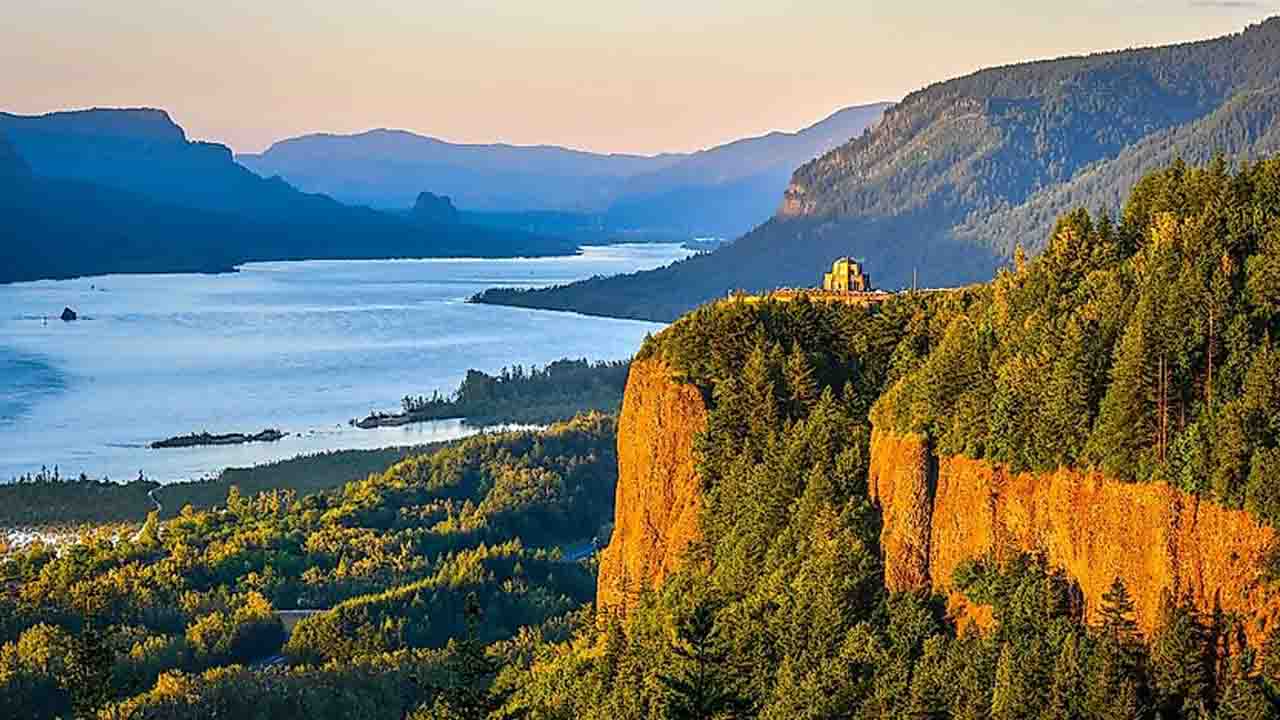
Kdun – Over 320 Oregon Species are now officially classified as needing greater protection, according to the latest update from the Oregon Department of Fish and Wildlife (ODFW). This marks a significant increase from the 294 species listed in the previous report, released nearly a decade ago. The findings come as part of Oregon’s revised State Wildlife Action Plan, a comprehensive strategy designed to safeguard biodiversity and address the growing challenges posed by climate change, urban expansion, and habitat degradation. The increase underscores the urgent need for enhanced conservation measures and stronger collaboration between state agencies, local communities, and environmental groups.
“Susanti from Upin & Ipin Melts Hearts Across Indonesia”
Over 320 Oregon Species now facing heightened risk are being impacted by multiple factors that have intensified in recent years. Rapid urban development has fragmented natural habitats, while agricultural expansion and logging have further reduced the availability of secure ecosystems for wildlife. Climate change also plays a central role, bringing shifts in temperature, prolonged droughts, and more frequent wildfires that disrupt ecological balance. According to ODFW, both plant and animal species are equally vulnerable, with amphibians, pollinators, fish, and native plants among those showing the steepest declines. This highlights how interconnected ecosystems are and how threats to one group can cascade across an entire environment.
Over 320 Oregon Species being recognized as at risk is not only a warning but also an opportunity for action. The State Wildlife Action Plan outlines targeted strategies such as restoring critical habitats. Expanding wildlife corridors, and supporting community-based conservation projects. Additionally, the plan emphasizes the importance of education and public involvement, encouraging Oregonians to participate in local conservation initiatives. Federal funding, combined with state-level partnerships, is expected to provide resources to implement these solutions. While the growing number of vulnerable species is alarming, officials stress. That early intervention can prevent many of them from reaching endangered status. Protecting biodiversity today, they argue, is vital to ensuring a resilient and thriving natural environment for future generations.
“SpaceX Expands Global Internet Network with 24 New Starlink”
KDUN RADIO - Reedsport’s community radio station has become the most reliable source for hyper‑local news, reaching over 12,000 weekly…
KDUN RADIO - Reedsport’s community radio station rolled out a series of fresh programs this week, adding two live music…
KDUN RADIO - Reedsport's community radio has surged listenership by 42% in 2023, proving its pivotal role in uniting residents.Why…
KDUN RADIO, Reedsport - A town of roughly 4,100 residents along Oregon's southern coast relies on a signal that reaches…
KDUN RADIO, Reedsport - The silence that often grips Oregon's smaller coastal towns during breaking news events was broken this…
KDUN RADIO, Reedsport - When a severe winter storm knocked out cell towers across the Oregon coast last January, residents…