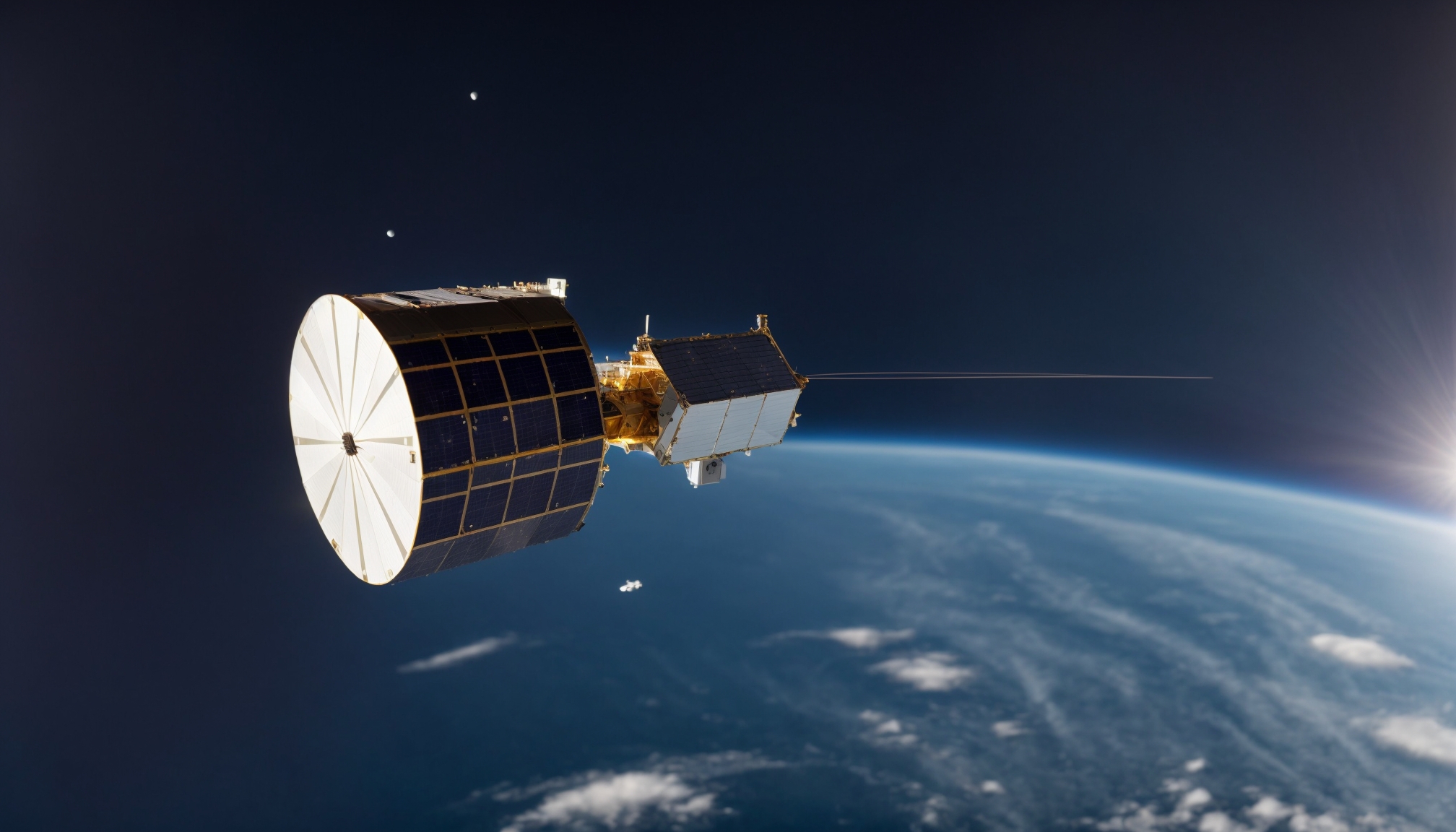
KDUN RADIO – past budget space missions have provided a wealth of experience that continues to influence how agencies and private companies approach affordable space exploration. These missions demonstrate how innovation, resourcefulness, and careful planning can deliver impressive scientific outcomes despite financial constraints.
Past budget space missions have showcased the potential of cost-effective space exploration technologies. By prioritizing essential goals and leveraging existing technologies, these missions managed to minimize expenses without compromising scientific integrity. Such missions have proven that large budgets, while beneficial, are not always necessary to achieve valuable scientific discoveries and technological advancements.
Innovations developed during past budget space missions often revolve around lightweight materials, miniaturized instruments, and reusable components. Advances in CubeSats and small satellite platforms, for example, emerged from the need to reduce cost and complexity. These technologies offer scalability and adaptability, enabling more frequent and diversified missions within budget limits.
One crucial lesson from past budget space missions is the balanced management of risk and innovation. By accepting calculated risks and testing novel approaches, mission planners have occasionally achieved breakthroughs beyond expectations. This mindset fosters creativity and flexibility, which are essential when working with limited financial resources.
Past budget space missions often benefited from collaborations between government agencies, academia, and private companies. These partnerships pool expertise, share costs, and accelerate development timelines. The success of joint ventures under tight budgets illustrates how cooperation can compensate for limited funding and maximize the mission’s impact.
Insights from past budget space missions inform the design and execution of upcoming projects. Emphasizing adaptability, modularity, and efficient resource use remains crucial. Moreover, integrating lessons on risk-taking and collaboration will likely enhance the success rate of future cost-sensitive missions aimed at exploring deeper into space.
The experience of past budget space missions encourages sustainable approaches in spacecraft development and launch strategies. Building reusable systems and optimizing supply chains are strategic choices to ensure mission longevity and reduce costs over time. Learning from past experiences, organizations are improving affordability while maintaining scientific ambition.
Reflecting on past budget space missions reminds us that success in space exploration is not solely defined by financial magnitude but by efficient use of resources and innovative spirit. The lessons harvested continue to guide and inspire future efforts, ensuring that space remains accessible for scientific discovery and technological progress.
Explore more about how past budget space missions shape new frontiers in affordable space exploration.