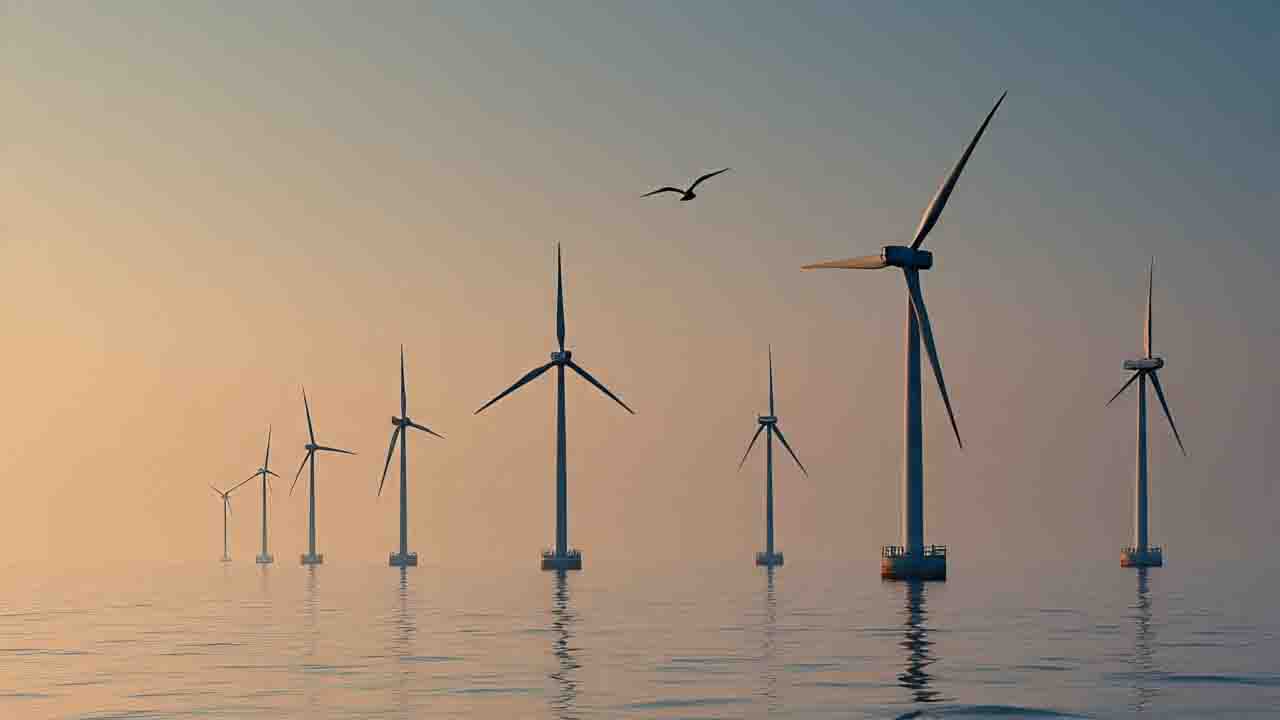
Kdun – BOEM shuts down all previously designated Wind Energy Areas (WEAs) across the U.S. Outer Continental Shelf (OCS), signaling a major shift in the federal approach to offshore wind development. The decision, announced by the Bureau of Ocean Energy Management (BOEM), includes the cancellation of planned projects off the Oregon Coast, which had previously been identified as a key zone for clean energy investment.
This move halts years of progress toward renewable energy expansion in coastal states, particularly in the Pacific Northwest. Stakeholders from environmental groups to energy developers have expressed surprise and concern over the abrupt policy reversal, citing potential delays to clean energy goals and economic disruption in regions preparing for offshore wind infrastructure.
BOEM shuts down the offshore wind initiative just as Oregon was preparing to launch what many believed could become a model for sustainable coastal development. The proposed sites off Coos Bay and Brookings had undergone environmental assessments and public feedback phases, drawing support from state legislators and clean energy advocates.
“Netflix’s Griselda: A Ruthless Queenpin Brought to Life”
The decision puts local communities in a state of uncertainty. Some view the move as a setback for green job creation, while others, including fishing industry representatives and coastal residents, see it as a win for marine conservation and public engagement. Regardless of perspective, the BOEM announcement reopens debate about how best to balance environmental protection with energy innovation.
As BOEM shuts down these offshore wind plans, questions arise about the future of U.S. renewable energy leadership. Offshore wind has been viewed as a cornerstone of federal climate policy. With ambitious targets for clean energy production by 2030. This reversal may trigger legal challenges, congressional scrutiny, and a potential reshaping of offshore leasing strategies nationwide.
While BOEM maintains that the decision was based on evolving environmental and stakeholder data. Industry experts worry it may signal a broader slowdown in offshore wind development. For now, the wind has shifted and the path ahead is uncertain.
“Elon Musk Sparks Space Privacy Debate Amid ISS Tensions”
KDUN RADIO - Reedsport’s community radio station has become the most reliable source for hyper‑local news, reaching over 12,000 weekly…
KDUN RADIO - Reedsport’s community radio station rolled out a series of fresh programs this week, adding two live music…
KDUN RADIO - Reedsport's community radio has surged listenership by 42% in 2023, proving its pivotal role in uniting residents.Why…
KDUN RADIO, Reedsport - A town of roughly 4,100 residents along Oregon's southern coast relies on a signal that reaches…
KDUN RADIO, Reedsport - The silence that often grips Oregon's smaller coastal towns during breaking news events was broken this…
KDUN RADIO, Reedsport - When a severe winter storm knocked out cell towers across the Oregon coast last January, residents…