KDUN RADIO, Reedsport – Reedsport pop-up vendor markets are creating steady, low-barrier selling opportunities for local makers while giving residents and visitors a rotating reason to shop downtown and along the waterfront.
Unlike traditional retail, pop-up events compress discovery, conversation, and purchasing into a single afternoon. That matters in a small coastal city where seasonal travel can shape weekly revenue. Vendors can test pricing, packaging, and product lines without committing to a long lease. Organizers, meanwhile, can adjust locations and dates around weather, tourism swings, and community calendars.
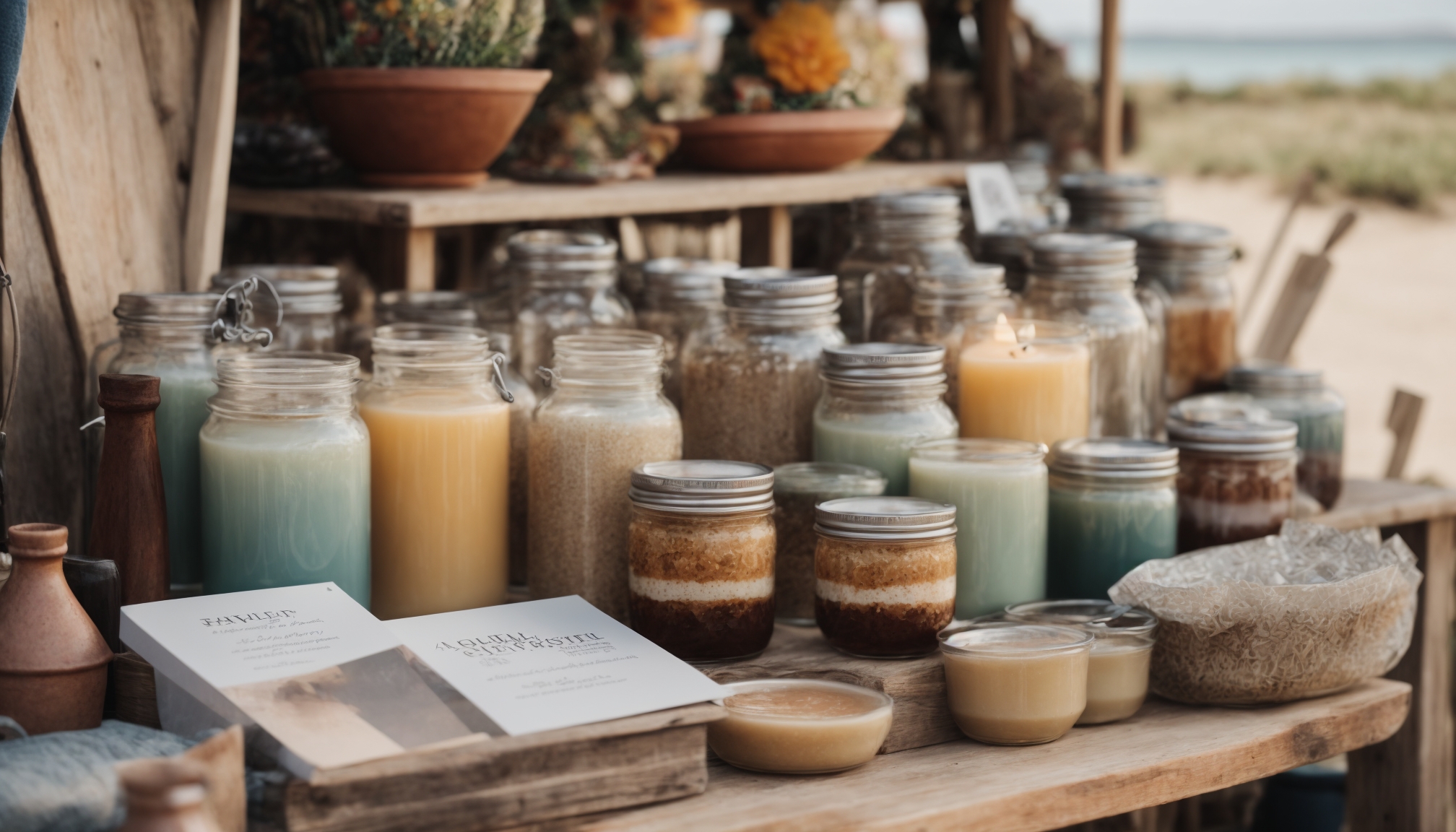
For shoppers, these markets function like a curated snapshot of local talent. A single visit can include handcrafted candles, coastal-inspired art, small-batch food, thrift finds, and practical home goods. The format also supports impulse purchases because customers can see, touch, and compare items in person, then meet the person who made them.
At their best, Reedsport pop-up vendor markets become a local feedback engine. Makers hear what customers want next, which scents sell out first, or what sizes are missing. That live insight often arrives faster than online analytics and costs far less than formal market research.
The strongest pop-up days share a few traits: clear signage, an easy-to-walk layout, and a mix of product categories that keeps people browsing. Many visitors come looking for gifts, but they leave with everyday items because they find practical value alongside novelty. Food and beverage options, even simple ones, also increase the time people spend on site.
Conversations are central to the experience. Makers often explain sourcing, show how products are used, or offer quick customization. Shoppers can ask about allergies for soap and skincare, storage tips for baked goods, or care instructions for prints and textiles. That kind of direct exchange builds confidence and reduces returns.
Another expectation is rotation. Pop-ups work because the lineup changes. Repeat visitors see new collections, limited seasonal drops, and experimental items that makers want to trial in small quantities. That constant refresh is a key reason the model remains resilient, even when budgets tighten.
Behind each booth is a small operation balancing production time with selling time. Makers prepare inventory, labels, pricing, and display tools that make a table look like a storefront. They also plan for wind, rain, and uneven foot traffic, especially in coastal conditions where weather shifts quickly.
Pricing is usually the hardest decision. Makers need to cover materials, labor, packaging, and market fees, while still meeting customer expectations. The most successful vendors tend to offer a “good, better, best” range: a few accessible items for first-time buyers, core products that reflect the brand, and higher-ticket statement pieces.
Payments have also evolved. Cash still appears, but most vendors rely on card readers and mobile wallets. Having multiple options reduces friction and increases conversion, particularly for visitors who did not plan to shop but decide to buy after talking with a vendor.
Baca Juga: Small business marketing and sales basics
Pop-ups can act as a first step into entrepreneurship. The cost to participate is typically lower than a permanent storefront, which helps new sellers validate demand before scaling. That path is especially helpful for artisans who start as hobbyists and later turn their craft into a reliable income stream.
For a downtown corridor, pop-ups create movement. Increased foot traffic benefits nearby cafés, service businesses, and shops that may not be part of the market itself. Even visitors who arrive for one booth often end up spending across multiple stops, which spreads the economic impact beyond the event footprint.
Reedsport pop-up vendor markets also strengthen community identity. They highlight local materials, regional aesthetics, and shared stories that chain retailers cannot replicate. When shoppers buy from a maker they recognize, the purchase feels personal, and that emotional value becomes part of the product.
If you want the widest selection, arrive early. Popular booths can sell out of bestsellers quickly, especially limited-batch food items or one-of-a-kind art. If your priority is conversation and browsing, a mid-event visit often means shorter lines and more time to ask questions.
Bring a reusable bag or small tote to keep fragile purchases safe. For food, ask about storage and travel time if you will be on the road. For home goods and art, request care instructions and confirm whether the maker offers replacement parts or repairs for certain items.
Finally, consider following your favorite vendors online after you buy. Many makers announce new drops, custom slots, and next appearances through social media. That follow-up can help you find restocks without waiting for the next market date.
Strong markets balance vendor variety, accessibility, and predictable scheduling. Organizers often recruit across categories to avoid a row of near-identical booths. They also think about flow: where people enter, where they pause, and how to prevent bottlenecks.
Operational details matter as much as the vendor list. Clear rules for setup times, parking, power access, and waste disposal reduce stress for sellers. Weather contingencies, from covered spaces to backup dates, protect both vendors and attendees. Communication is another pillar; quick updates build trust when conditions change.
To keep the vendor experience fair, many markets use rotating slots or curated applications. That approach helps new makers get visibility while still preserving a consistent standard of quality for customers.
With thoughtful curation and community support, Reedsport pop-up vendor markets can remain a practical bridge between hobby crafting and sustainable microbusiness, while continuing to give locals and travelers a reason to shop small.
As long as makers keep innovating and organizers keep removing friction, Reedsport pop-up vendor markets will stay a high-impact way to discover new products, meet the people behind them, and strengthen the local economy one weekend at a time.