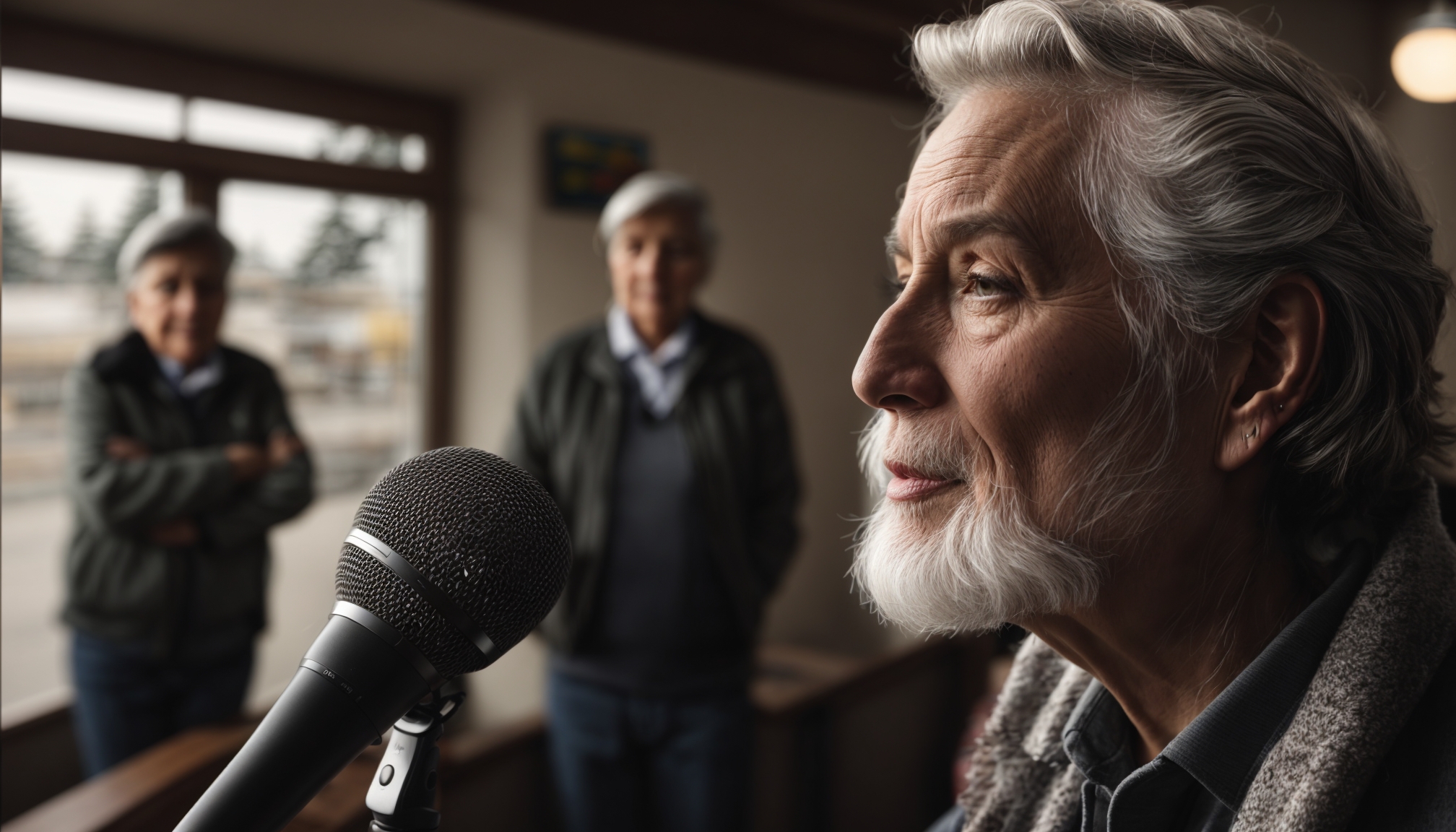
KDUN RADIO – Reedsport history hour stories are giving residents and visitors a vivid way to reconnect with the Oregon Coast town’s past through live conversations, shared memories, and long-forgotten photographs.
The Reedsport history hour stories format turns local history into a living, breathing archive instead of a static display behind glass. Organizers invite longtime residents, former mill workers, teachers, fishermen, and community leaders to speak in an informal, interview-style setting. Each session focuses on a theme, such as logging, the fishing fleet, downtown businesses, or school life in different decades.
This approach keeps the tone conversational and accessible. Instead of reciting dates and names, speakers explain how events felt at the time. They describe the smell of fresh-cut timber, the sound of fishing boats leaving before dawn, and the excitement when new shops opened on Highway 101. As a result, younger generations can imagine daily life in earlier eras, while older residents finally see their experiences valued as part of the public record.
Community members often bring personal artifacts to the history hour, including photo albums, postcards, diaries, or tools. These items help verify details and spark additional memories among people in the audience. Because documentation is sometimes scarce in small towns, these sessions often uncover entirely new information about local businesses, families, and events.
The most powerful element of the Reedsport history hour stories lies in the voices of the people who lived that history. Oral storytelling captures humor, regret, resilience, and pride in ways that official documents cannot. When a retired logger describes the danger of working on the river or a shop owner recalls the 1964 tsunami, listeners gain emotional context to match the facts.
Organizers typically record each session with audio or video equipment, then catalog the files with basic descriptions and dates. Over time, this collection becomes a community-owned archive. Libraries, schools, and museums can then access the material for exhibits, classroom projects, or research. In addition, descendants of speakers gain a priceless record of their relatives’ voices and stories.
On the other hand, careful planning ensures the sessions remain respectful and accurate. Moderators prepare guiding questions and check basic timelines beforehand. They encourage speakers to clarify dates, locations, and names when possible, while still allowing the natural flow of conversation. This balance between structure and spontaneity gives the archive both reliability and personality.
Many Reedsport history hour stories focus on the town’s economic shifts. For much of the twentieth century, timber and fishing powered the local economy. Former mill employees explain the scale of operations on the Umpqua River and how paychecks from those jobs supported Main Street businesses. Boat captains remember seasons when the harbor felt crowded at all hours.
As industries changed and some mills closed, residents had to adapt. Sessions often explore how tourism, outdoor recreation, and wildlife refuges gained importance. Longtime residents describe their mixed feelings as visitors discovered the region’s dunes, beaches, and forests. Some mourned the loss of steady industrial work but also appreciated new opportunities in hospitality and services.
Read More: Historical overview of Reedsport and the Umpqua River region
Personal stories illustrate how families responded. Some households moved away for work, while others opened small businesses catering to travelers passing through on Highway 101. These accounts show that the town’s identity continues to evolve rather than staying locked in a single era.
Because Reedsport history hour stories attract people of all ages, they naturally connect with local schools, libraries, and civic groups. Teachers incorporate recordings and transcripts into classroom lessons about Oregon history, civic engagement, and primary sources. Students might listen to speakers describe the building of local bridges, then compare that with newspaper articles from the same period.
Libraries often host the sessions or help manage the archive. Their staff label digital files, create finding aids, and organize occasional exhibits featuring quotes and photographs from the collection. Meanwhile, service clubs and historical societies assist with outreach, transportation for older residents, and refreshments, turning each session into a true community gathering.
These partnerships also encourage younger residents to volunteer as interviewers, note-takers, and audio technicians. In addition, students learn practical skills, from operating cameras to asking respectful follow-up questions. They see firsthand how fragile memories can be, which motivates them to continue preserving their own family histories.
As technology improves, curators of Reedsport history hour stories increasingly look for ways to expand access. Many sessions eventually appear online through streaming platforms, library websites, or community media channels. Clear indexes and short summaries help remote viewers find topics such as the high school sports rivalries of the 1970s or the impact of major storms.
In some cases, organizers create thematic playlists, combining several sessions about a single subject like transportation or coastal ecology. This allows researchers and interested residents to trace changes over decades. Furthermore, digital access helps former residents who have moved away stay connected to their hometown roots.
Local businesses and civic leaders also see value in the archive. When planning downtown improvements or tourism campaigns, they can review how earlier generations described the town’s character. These insights help avoid shallow branding and instead highlight authentic features, from the working riverfront to community traditions that endure.
Ultimately, the ongoing collection of Reedsport history hour stories reminds residents that history is not distant or abstract. It lives in their own voices, family albums, and shared experiences. By continuing to show up, listen, and contribute, the community keeps its past accessible and meaningful for the next generation and ensures that Reedsport history hour stories remain a guiding thread in the town’s future.